


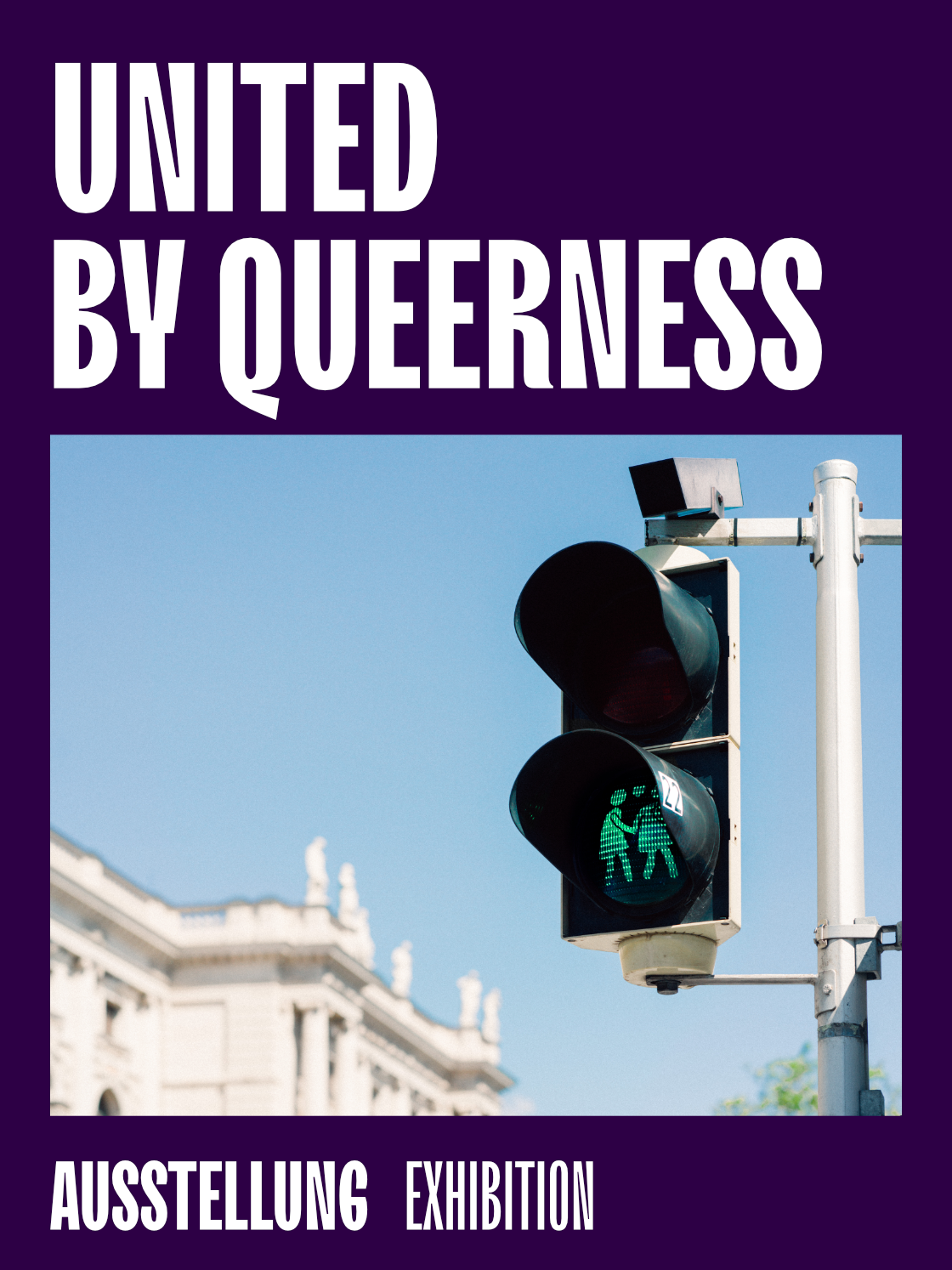
WienTourismus/ Julius Hirtzberger© 2026
Overview
Since its founding in 1956, the Eurovision Song Contest has become far more than a music competition. As a transnational media event, it reflects European moods, political tensions and pop-cultural trends, while also serving as a stage for national self-representation. For many within the LGBTQIA+ community, the ESC functions as a key site of queer visibility – a space shaped by belonging, representation and ongoing negotiation.
The exhibition “United by Queerness” explores these tensions between diversity and nationalism, inclusion and exclusion. Structured around three spatial perspectives – from the living room to the arena and the stage – it examines how the ESC is experienced, celebrated and politically interpreted. Qwien presents the ESC as a pop-cultural phenomenon whose queer dimensions continue to provoke debate.
Opening hours
Thu 1 pm – 8 pm, Fri to Sun 1 pm – 6 pm
Tickets
The exhibition
Experience the ESC from three perspectives:
Living Room
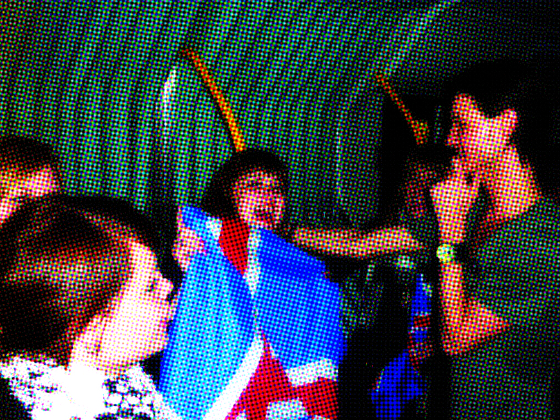
The private space of reception—a cozy lounge atmosphere with video and listening stations. During the ESC weeks, this area becomes a meeting place for queer fans.
Arena
The space of the community—where fans from all over the world come together. From the traffic light couples in Vienna 2015 to major ESC parties, the exhibition shows how host cities promote queer visibility.
Stage
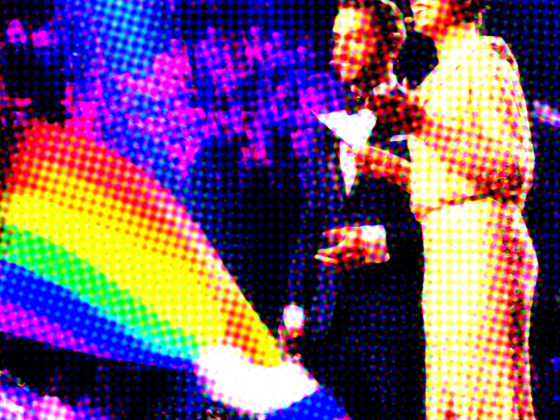
The artists’ stage—from Jean-Claude Pascal’s secret love in 1961, to Dana International in 1998, to Conchita Wurst’s triumph in 2014. Here, queer history comes alive.