


Hannes Sulzenbacher Receives the Prize for Adult Education
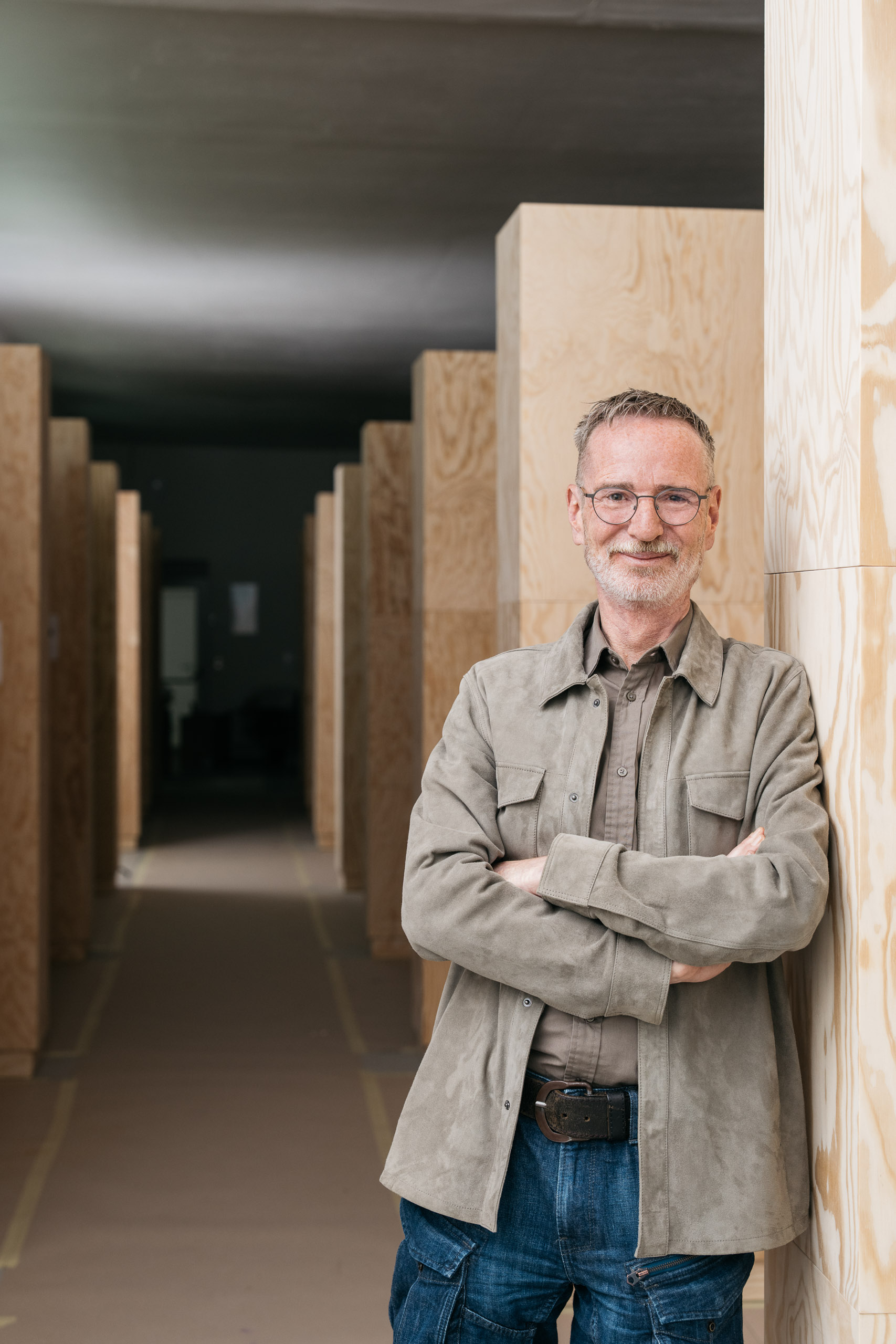
The City of Vienna recently announced the recipients of its awards for outstanding achievements in art, culture, scholarship and adult education. Among them is Hannes Sulzenbacher, founder of Qwien and chief curator of the Jewish Museum Vienna. An appreciation by Andreas Brunner
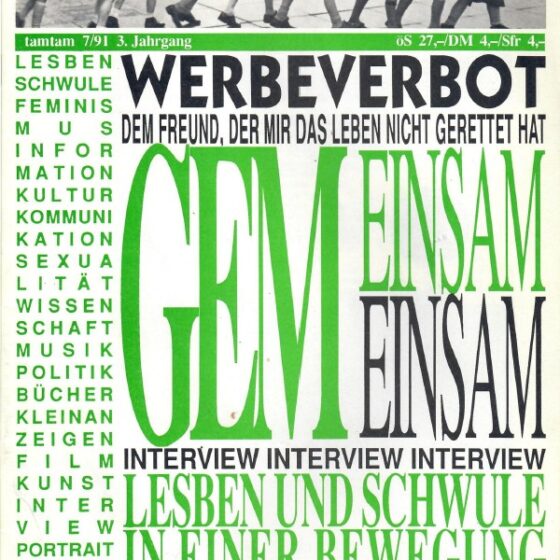
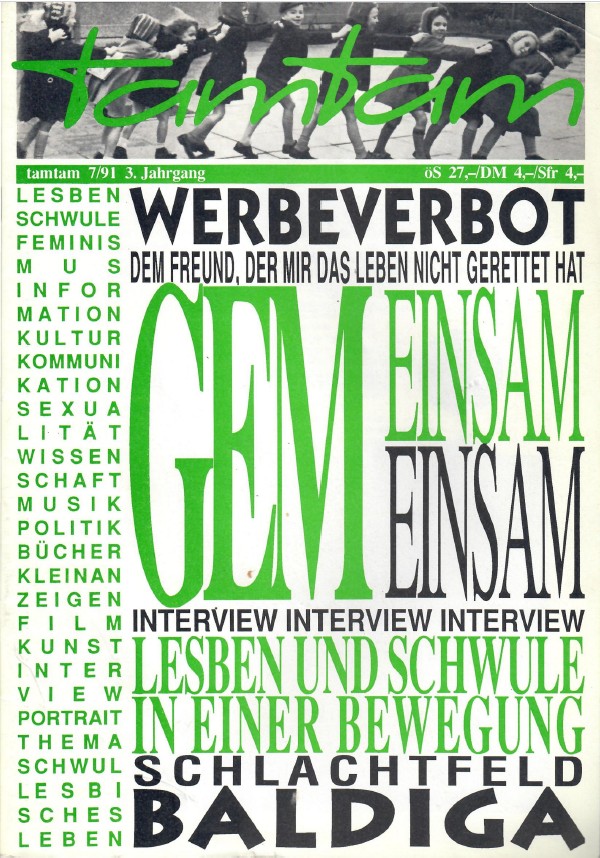
Let me say at the outset that the author of these lines and the man being honoured, Hannes Sulzenbacher, have been friends since the early 1990s and have been working together on all kinds of projects for almost as long. It began at the Rosa Lila Villa with the magazine tamtam. At around the same time, Hannes Sulzenbacher became the first scholar ever to work through the criminal files of homosexuals persecuted under National Socialism, a task that would go on to occupy him, and us, to this day. For a short while, still a student of theatre studies back then, he also worked as a theatre critic for the Falter.
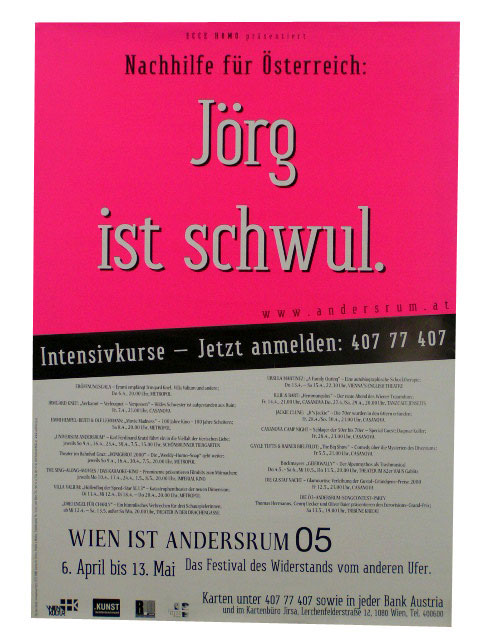
Wien ist andersrum
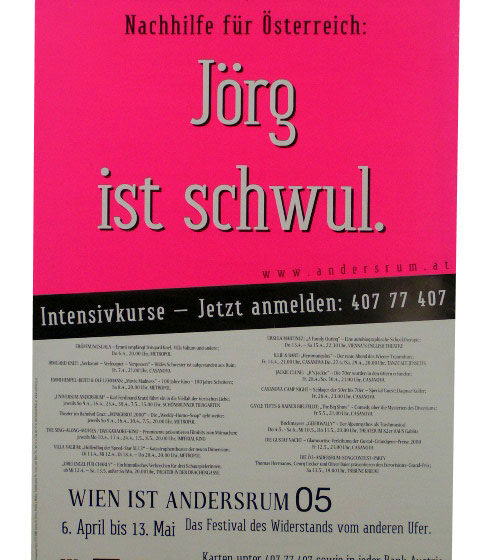
His first exhibition projects followed, among them a large exhibition on the history of antisemitism shown at Vienna City Hall, and he worked at the German Hygiene Museum in Dresden. In 1996 he played a decisive part in organising and staging the first Rainbow Parade, and in the years that followed he devoted himself, at first together with its founder Jochen Herdieckerhoff and later on his own, to Wien ist andersrum (Vienna the Other Way Round), the culture festival from the other side of the fence, which for a number of years presented queer artists still largely unknown in Vienna at the time, among them the Geschwister Pfister, Georgette Dee and Irmgard Knef, and caused a stir with its cheeky posters.
Jewish Museum Hohenems
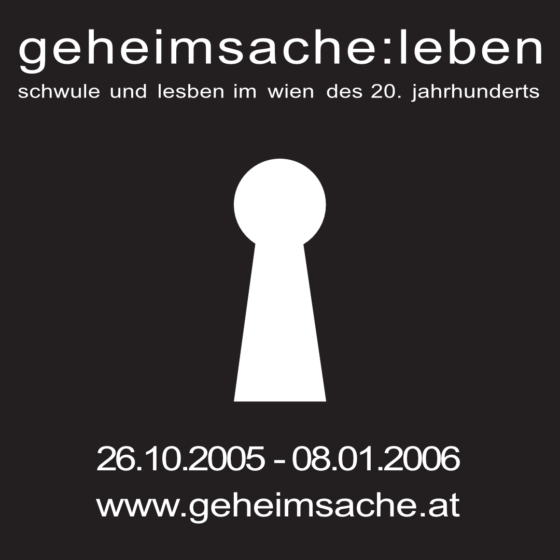
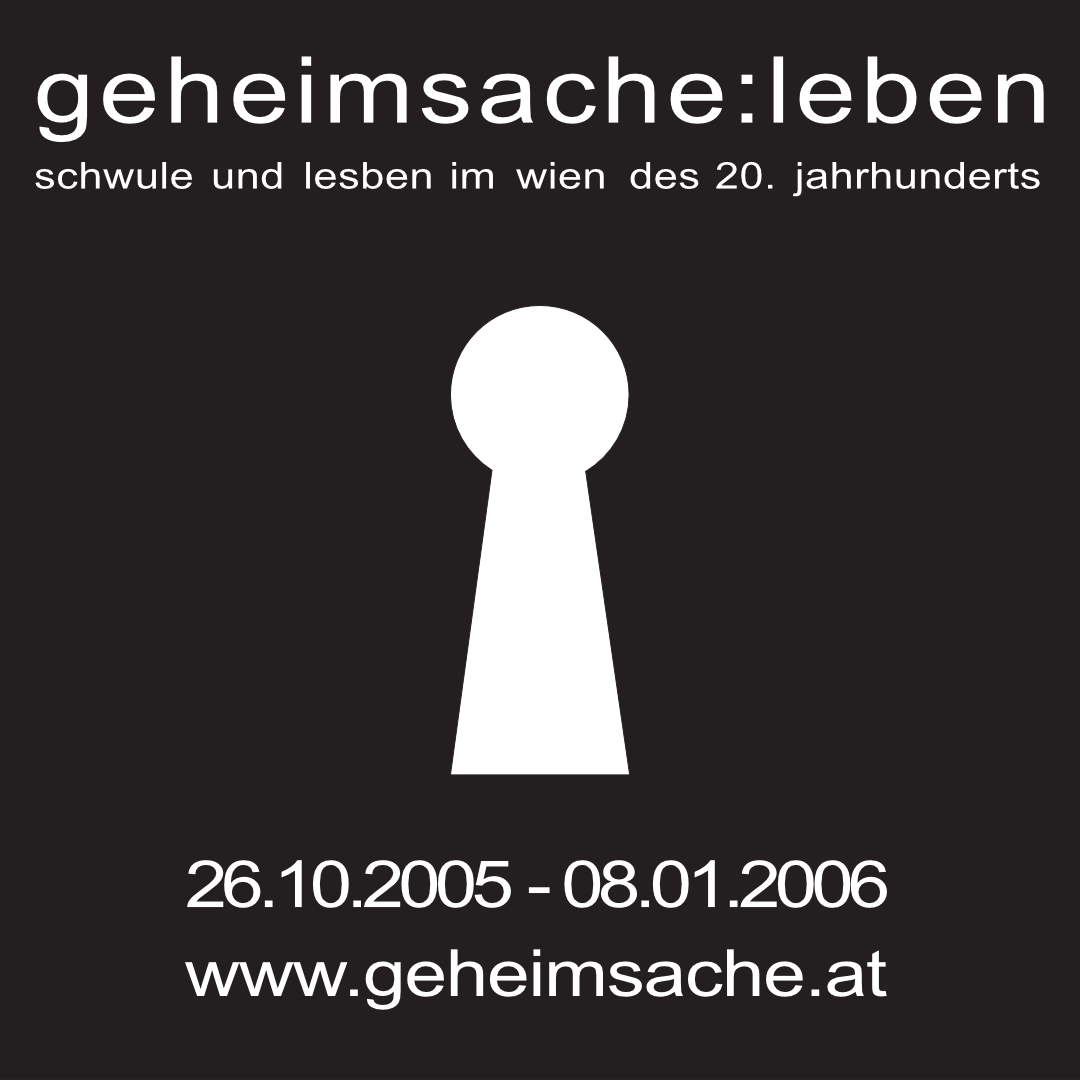
After several years as a curator at the Jewish Museum of the City of Vienna, he began working as a freelance curator on a series of exhibitions for the Jewish Museum Hohenems. I still remember his work on the exhibition Kantormania (2004) well, when for months on end the chants of the most diverse cantors from every period and every part of the world echoed through our shared office in Große Neugasse, which was soon to become the headquarters of the exhibition geheimsache:leben. schwule und lesben im wien des 20. jahrhunderts (secret matter: life. gay men and lesbians in twentieth-century vienna).
geheimsache:leben
For this exhibition in 2005 a team of five curators brought together more than 700 objects from all over the world: the original draft of the letter in which Karl Maria Kertbeny first wrote the words “homosexual” and “heterosexual”, the pink triangle of the Viennese concentration camp prisoner Josef Kohout, a suit Marlene Dietrich had made for her by the high-end Viennese tailor Kniže, numerous objects and documents on queer Viennese city history, works by queer artists and testimonies of the history of persecution.
The founding of Qwien
The geheimsache exhibition was also the impulse for founding Qwien. Even though many of the objects were on loan, a great deal of research material had accumulated that needed a place where it could be worked on further. And so in 2007 the association Qwien. Zentrum für schwul/lesbische Kultur und Geschichte (Qwien. Centre for Gay/Lesbian Culture and History) was constituted, even if Qwien did not officially open until 2009, and it began its work with a project on the forgotten photographer Paul Pichier.
At the same time, in another important station of his work as an exhibition curator, Hannes Sulzenbacher opened the permanent exhibition he had designed for the Jewish Museum Hohenems in 2007, followed in the years after by further large exhibition projects for Hohenems. In these he was always occupied by questions that reached far beyond the presentation of Jewish history and dealt with social and political issues, as exhibitions such as Was Sie schon immer über Juden wissen wollten … aber nie zu fragen wagten (Everything You Always Wanted to Know About Jews … But Were Afraid to Ask, 2012), which was also shown at the Jewish Museum Berlin, or Treten Sie ein! Treten Sie aus! Warum Menschen ihre Religion wechseln (Step In! Step Out! Why People Change Their Religion, 2012/13), which travelled on from Hohenems to Frankfurt and Munich, illustrate.
Recording the names
At Qwien, meanwhile, we launched a research project in 2012 whose dimensions we were not really able to gauge at the outset: “Recording the Names of the Homosexual and Trans* Victims of National Socialism in Vienna”. By 2018 a team of staff and interns had digitised more than 700 surviving criminal proceedings of the Nazi courts in Vienna and over 100 proceedings of the Nazi military justice system and analysed them in a comprehensive database. Because it records not only the names and biographical data of those persecuted but also their social environment, the backgrounds to their persecution and the personnel who carried it out at the Gestapo, the criminal police and the courts, the Qwien victims database is a working resource unique in its scope worldwide for many research projects on queer history under National Socialism, and it can also be used at Qwien by interested researchers.
This foundational research, which Hannes Sulzenbacher was instrumental in driving forward, gave rise to conferences such as Zu Spät? (Too Late?, 2014, together with the WASt) and publications such as Homosexualität und Nationalsozialismus in Wien (Homosexuality and National Socialism in Vienna, 2023). Together with erinnern.at, teaching materials were developed that are available to schoolteachers. As a member of the jury, Hannes Sulzenbacher was also involved in the creation of the memorial ARCUS. Schatten eines Regenbogens (ARCUS. Shadow of a Rainbow) for the victims of the persecution of homosexuals under National Socialism.
Auschwitz-Birkenau Memorial
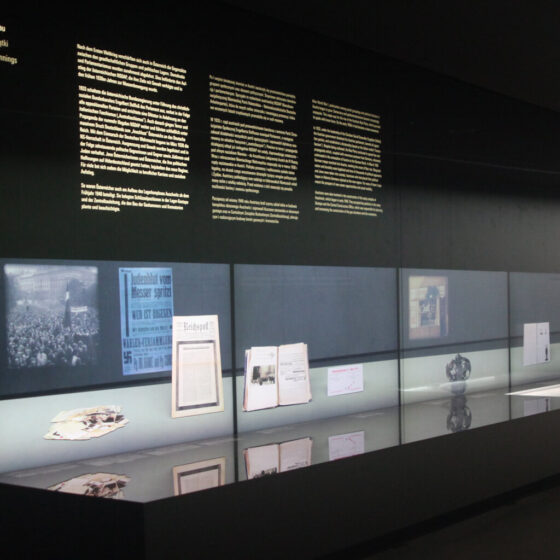
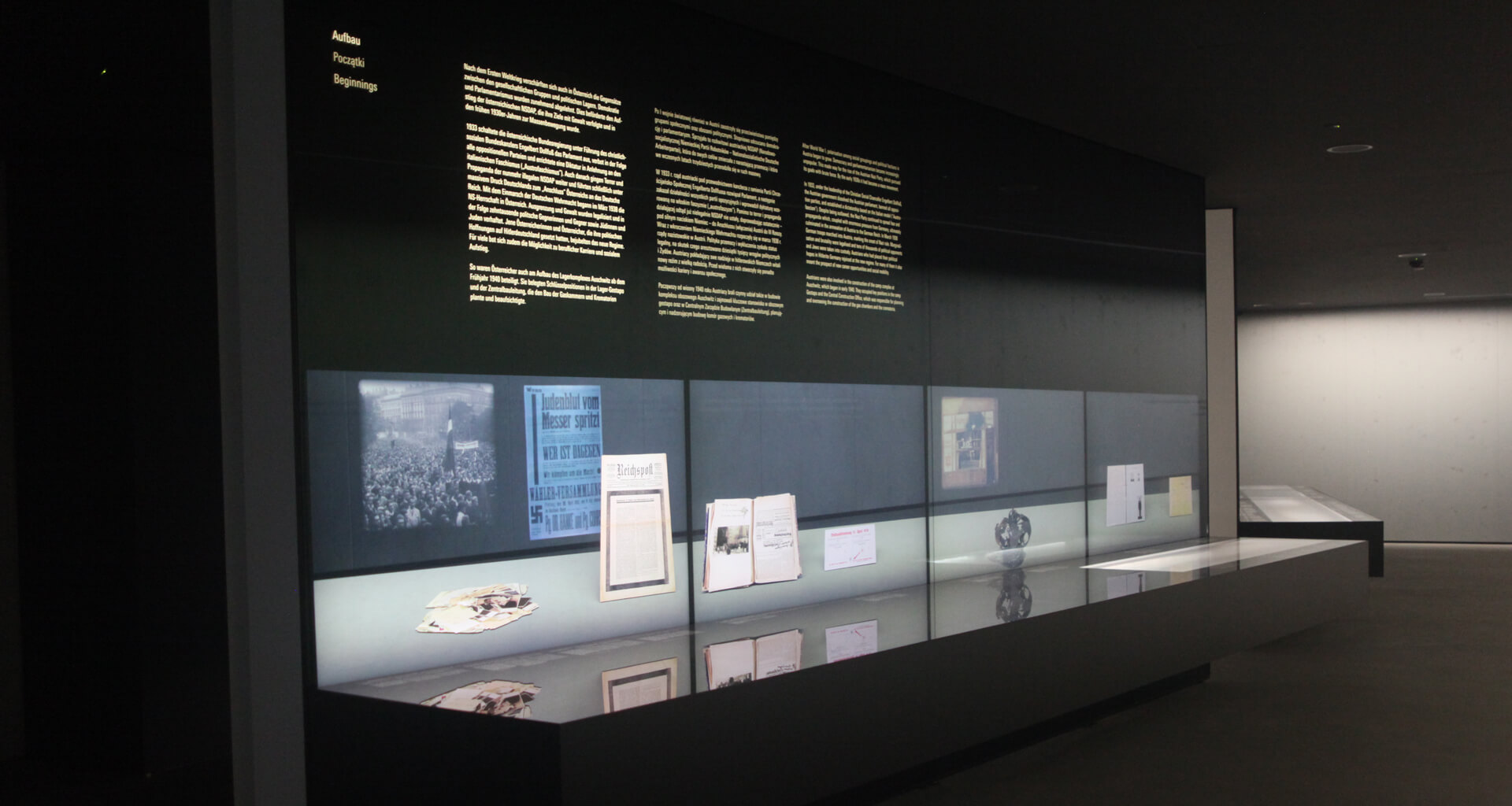
A high point in Hannes Sulzenbacher’s curatorial work was certainly the opening in 2021 of the exhibition Entfernung. Österreich und Auschwitz (Removal. Austria and Auschwitz) in the Austrian pavilion at the Auschwitz-Birkenau Memorial. Austria’s history under National Socialism, the fate of the Austrian victims in the Auschwitz-Birkenau camp complex and the involvement of Austrians as perpetrators of and accomplices in the crimes committed there were examined in a presentation that was as informative as it was impressive.
Chief curator at the Jewish Museum
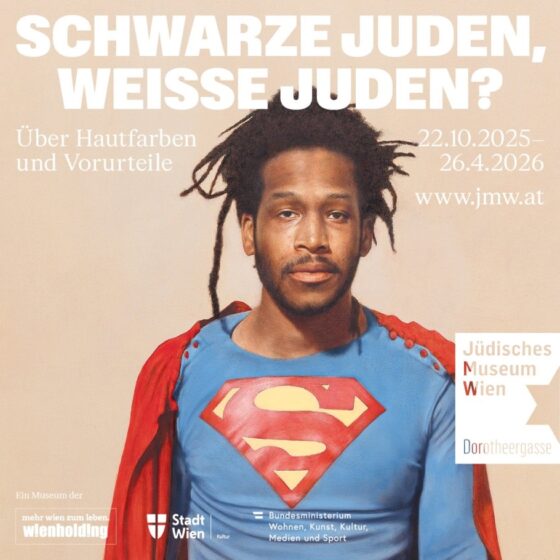
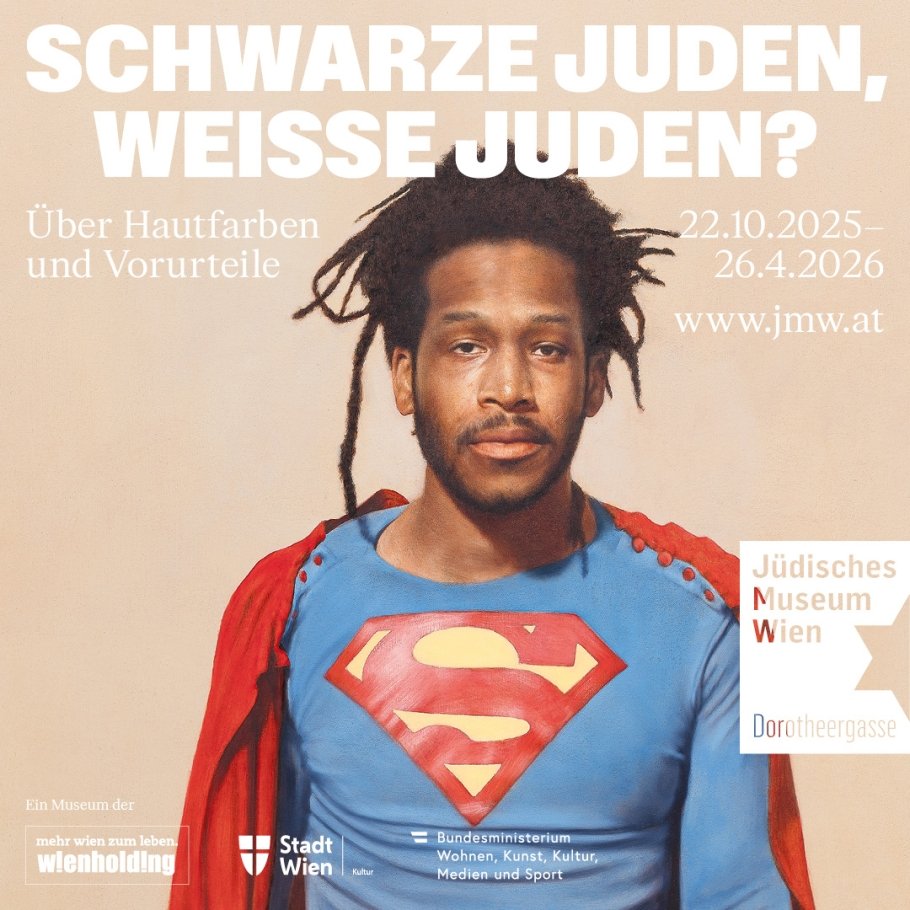
When Barbara Staudinger took over as director of the Jewish Museum Vienna in 2022, she chose Hannes Sulzenbacher as her chief curator, and he went on to shape the exhibition programme of the following years decisively. The new team’s opening exhibition 100 Missverständnisse über und unter Juden (100 Misunderstandings About and Among Jews) asked provocative questions that caused irritation both within the Jewish community and among non-Jewish visitors. 100 Missverständnisse über und unter Juden (Black Jews, White Jews? On Skin Colour and Prejudice, 2025/26) interrogated the excesses and the antisemitism of current identity politics, an exhibition showing that Hannes Sulzenbacher does not shy away from asking uncomfortable questions in his projects either.
The new Qwien
At Qwien, too, the past few years have brought major challenges. In 2023 the search began for a new and larger location for Qwien’s archive and library, which were bursting at the seams at the old premises in Große Neugasse. It was found in Ramperstorffergasse in Vienna’s fifth district, and the move came with an expansion into a museum and cultural centre. Here, too, Hannes Sulzenbacher left his mark as a curator. The opening exhibition Geschichte machen. Ein queeres Jahrtausend in 27 unglaublichen Objekten (Making History. A Queer Millennium in 27 Incredible Objects) questioned the marginalisation of queer history, of which often only documents of persecution have survived and none of a self-determined queer life. On 11 November 2026 another major historical exhibition will follow: Beweise für die Unzucht. Private Dokumente aus historischen Strafakten von Homosexuellen (Evidence of Indecency. Private Documents from Historical Criminal Files of Homosexuals).
Before it opens, Hannes Sulzenbacher will be presented with the Preis für Volksbildung (Prize for Adult Education) at Vienna City Hall on 4 November. I congratulate my friend and fellow campaigner with all my heart.